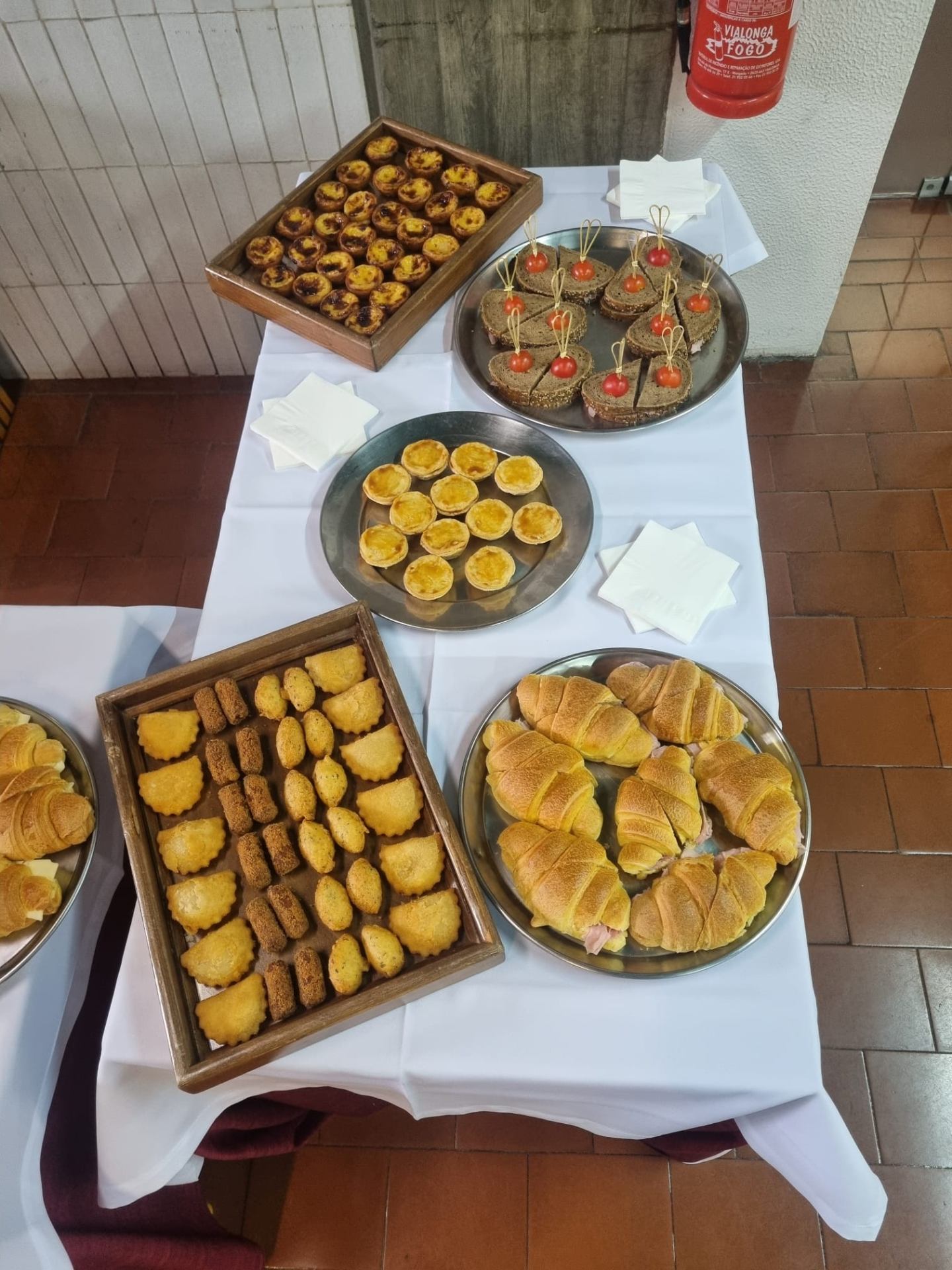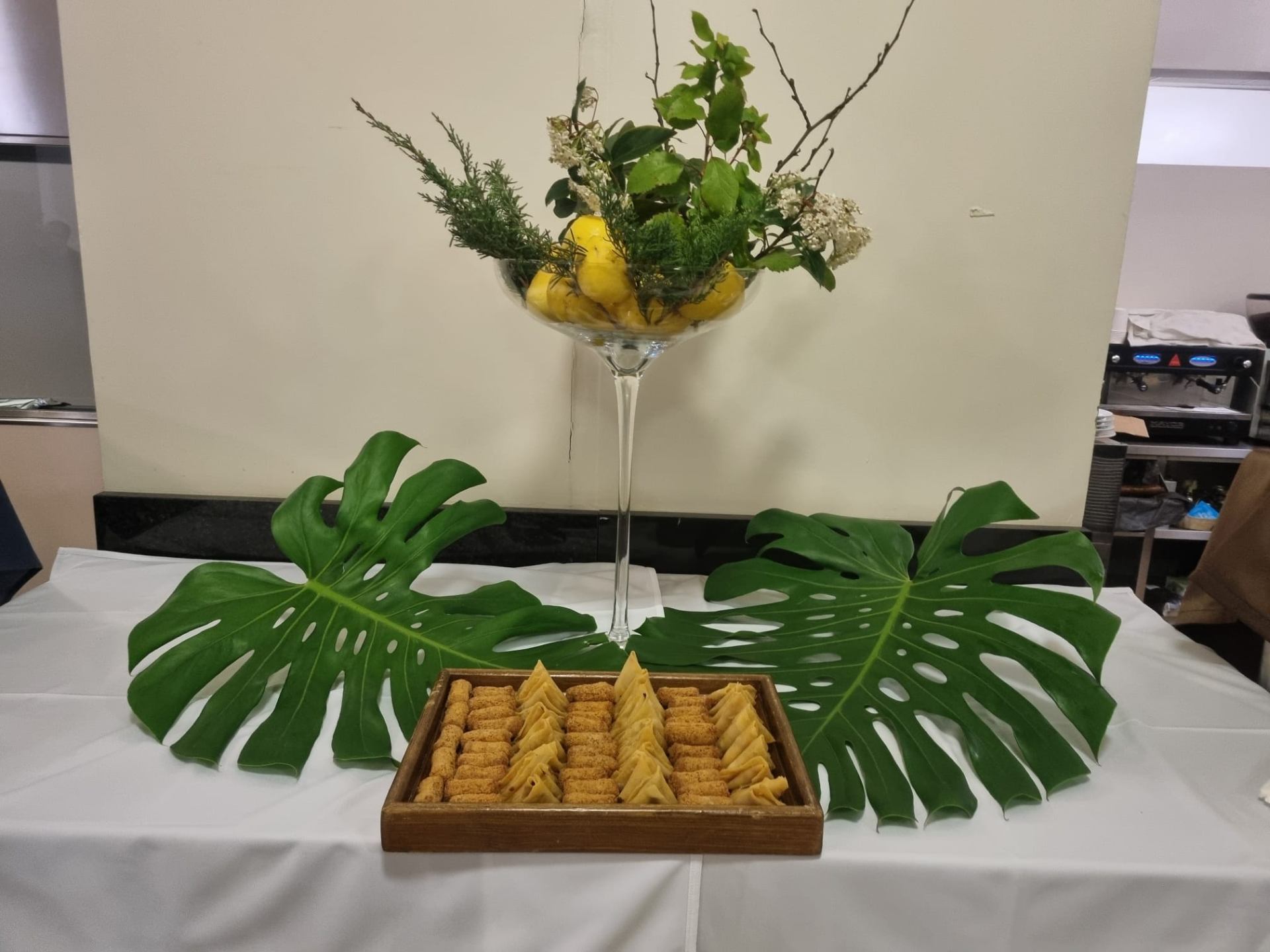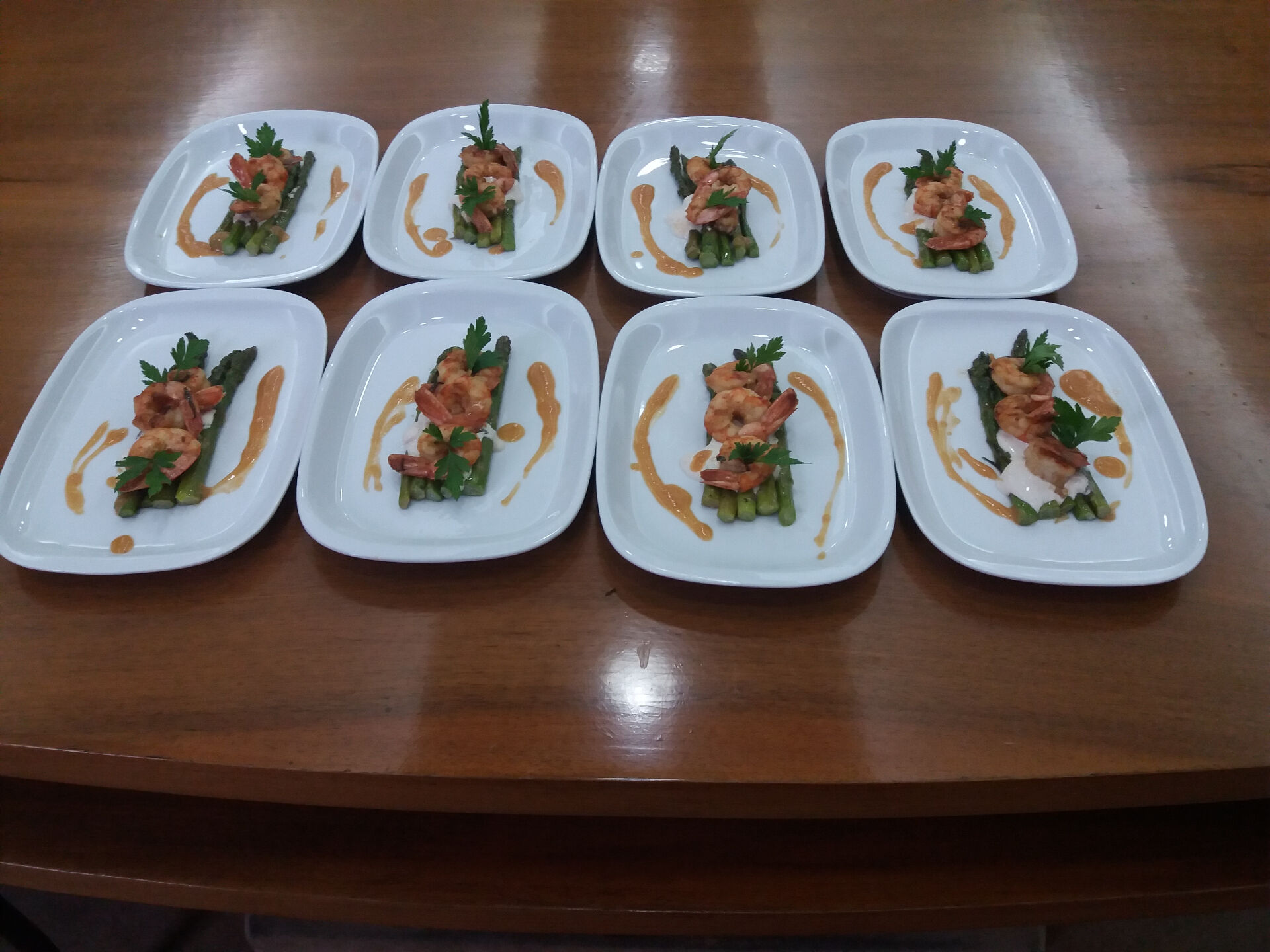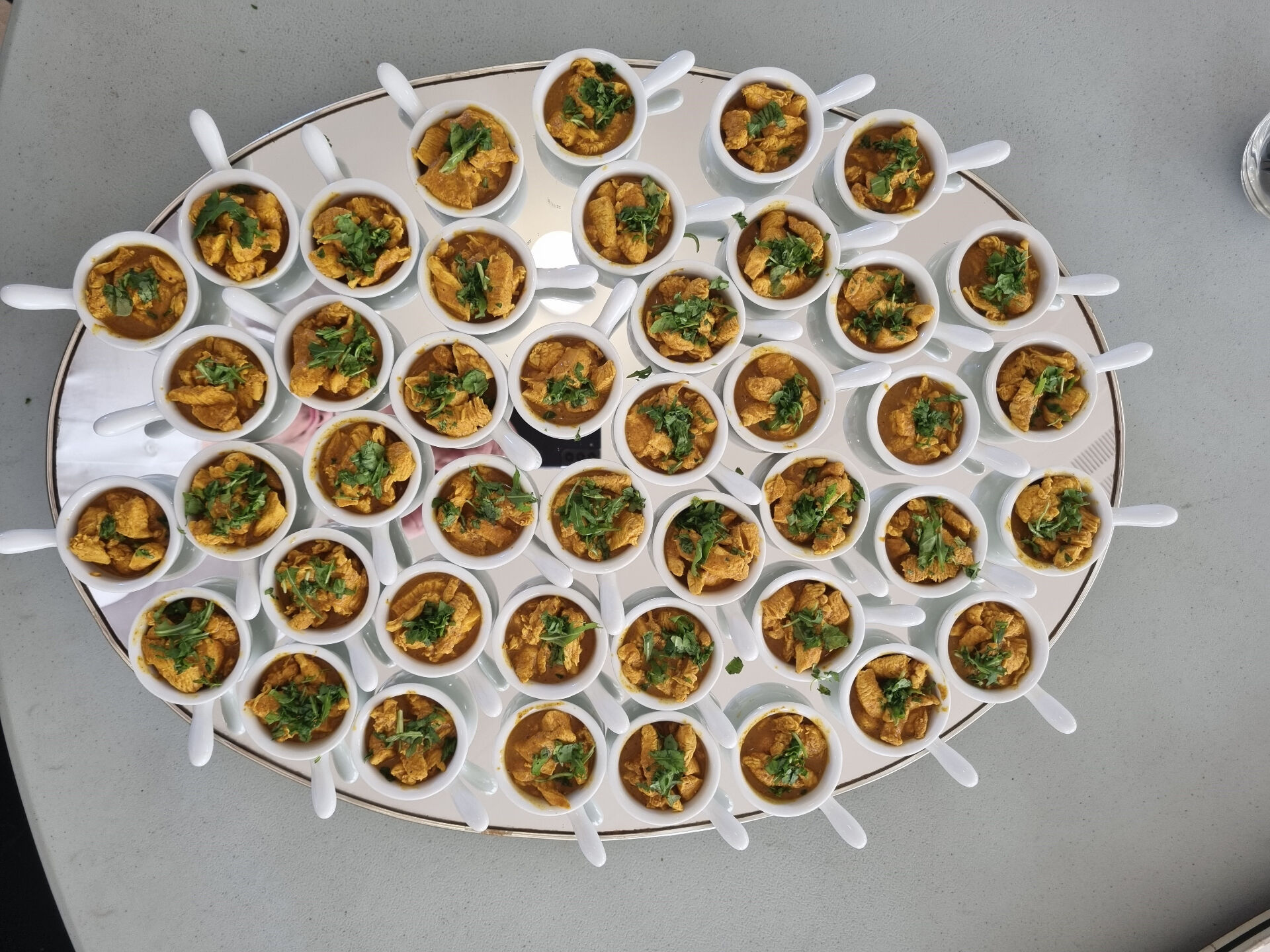
In 2026, a 100% in-person or 100% remote meeting is increasingly the exception. The norm is hybrid: part of the team at the office, part at home, everyone joining the same session. And this is where corporate catering hits a new problem head-on — how to take care of remote staff without wasting logistics.
We serve dozens of Lisbon-based companies that face this every month. Here's what we've learned.
The dilemma in numbers
Picture a 50-person all-hands: 30 at the Marquês office, 20 spread between Lisbon, Porto and abroad. If you only cater the in-office group, you create a 'two teams' effect — remote staff feel left out. If you cancel catering altogether, you lose the social moment that is half the reason to gather in person.
Four solutions that work
1. Individual kits delivered to remote staff
Individual boxes with coffee, tea, sweet and savoury bites and fruit, delivered to each remote employee's home address on the morning of the event. Same food, same moment, same experience. Works very well for teams in Lisbon and Greater Lisbon where same-day delivery is reliable.
Typical cost: €12–18 per kit (similar to in-person per pax, but with extra logistics). Minimum lead time: 10 business days to coordinate addresses and time slots.
2. Vouchers for remote employees
For employees outside Lisbon, kits get expensive. The alternative is a delivery voucher (Uber Eats, Glovo) with a value and suggested time — they order what they like and join the call with something to eat. Less romantic, but fair and practical.
3. Synchronised coffee break
When planning the agenda, you schedule a 20-min pause where in-office staff visit the catering table and remote staff are encouraged to make their own coffee/tea at home. No food for remote staff, but their time is respected. Works for informal meetings and self-organised cultures.
4. 100% individual format (even at the office)
Instead of a shared buffet at the office, individual kits for everyone — in-person and remote. Visually, everyone has the same box. On video, the sense of equality is total. Gained popularity post-pandemic and is now the most-requested format for strategic hybrid meetings (board meetings, annual kick-offs).
Logistics: what usually goes wrong
- Wrong addresses — someone receives a colleague's box.
- Tight delivery window — we deliver to an empty home and the box sits with the porter until evening.
- Not accounting for people on holiday or sick — waste and cost.
- Forgetting allergens in the list — remote employees can't ask for alternatives in the moment.
- No cutlery or napkins — sounds minor, isn't.
When catering arrives at a remote employee's door, the implicit message is 'you belong'. That matters more than the kit's contents.
When it's NOT worth it
Meetings under an hour or fully operational (stand-ups, weekly syncs) don't justify the investment — in-person or remote. Save hybrid catering for moments that truly matter: kick-offs, quarterly all-hands, launches, strategic training.
How Vaga Cultural coordinates multi-address deliveries
We work with a template file (Excel or Google Sheets) that the client fills with name, address, postcode, phone and delivery window for each employee. Our team plans routes across Lisbon and Greater Lisbon to deliver in staggered slots, all within a 90-minute window. For destinations outside Greater Lisbon we use partner couriers with same-day delivery.
How much does it cost?
- In-person coffee break: from €12/person.
- Individual home-delivered kit (Lisbon/Greater Lisbon): €12–18/kit.
- Individual kit outside Greater Lisbon: €18–25/kit (distance-dependent).
- Delivery voucher (alternative): client-defined value.
What we see in the Lisbon market
Most multinationals headquartered abroad with a Lisbon office (tech, consulting, pharma) run their hybrid catering through a single global supplier — which usually means generic snack boxes shipped from a warehouse, with no Portuguese touch. The local alternative is to use a Lisbon-based caterer that already knows the Greater Lisbon postcode map (1000-xxx through 2900-xxx), can coordinate same-day deliveries to neighbourhoods like Alvalade, Lumiar or Oeiras, and can include a few recognisable Portuguese items (pastéis de nata, croquetes, queijo da Serra) that make the remote employee feel less like they're attending a generic webinar.
Operationally, the bottleneck is always the address list. Companies with a Workday or BambooHR export of employee addresses solve it in 5 minutes; companies relying on Slack messages to collect addresses lose 2-3 days. Plan accordingly.
Let's plan your next hybrid?
Tell us how many in-person, how many remote and which areas. Within 24 hours we'll send back the most efficient combination.